Showing posts with label Ai-IoT. Show all posts

Tuesday, November 26, 2024

How IoT is Making Homes Safer and More Efficient


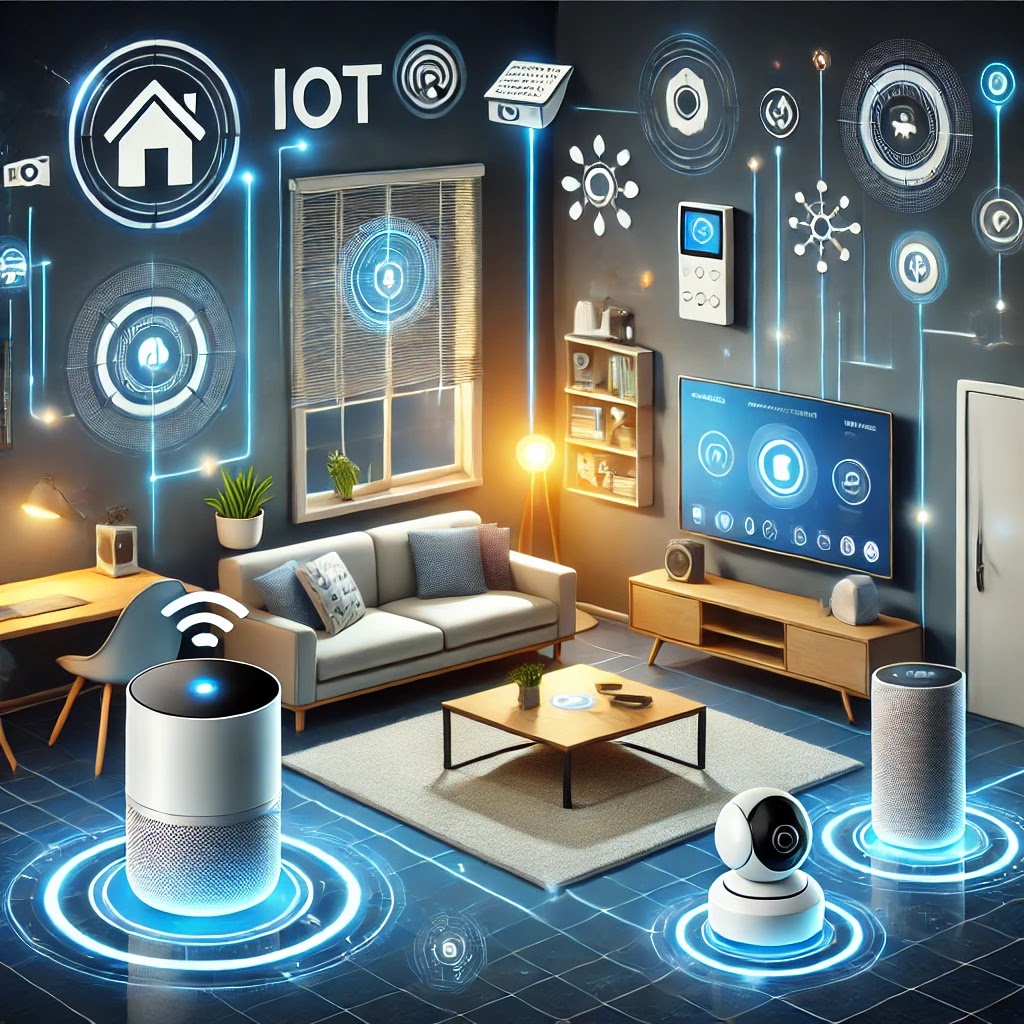
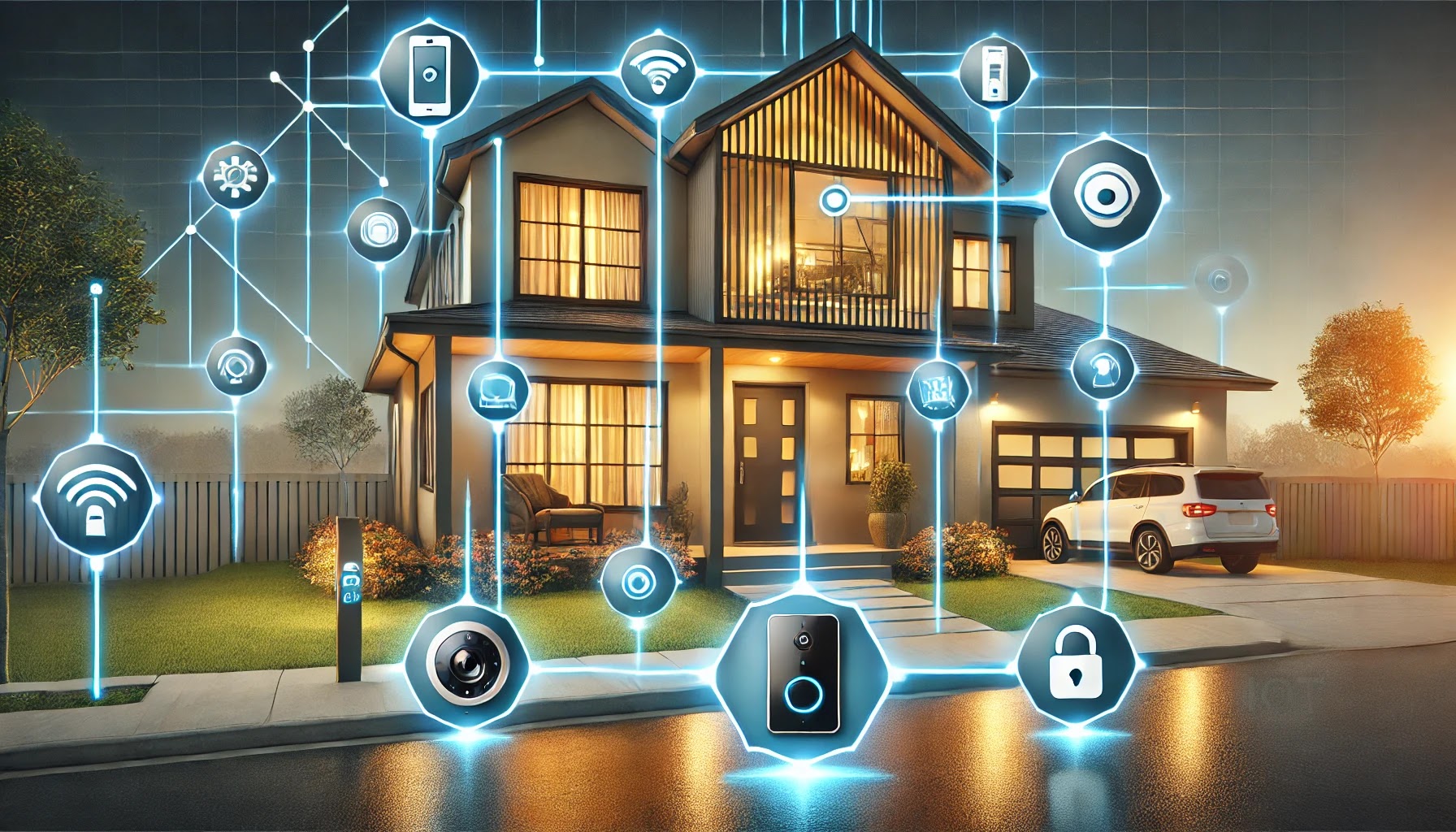
The Internet of Things (IoT) is revolutionizing how we live, and the benefits are especially evident in our homes. IoT-enabled devices are transforming ordinary households into smart, secure, and energy-efficient spaces. In this blog, we’ll explore how IoT is making homes safer and more efficient, and why it’s a trend worth embracing.

What is IoT in the Context of Smart Homes?

IoT refers to interconnected devices that communicate over the internet to perform specific tasks or functions. In smart homes, these devices work together to enhance convenience, security, and energy management, making life easier and more comfortable for homeowners.

How IoT is Enhancing Home Safety

1. Smart Security Systems

IoT-powered security systems offer real-time monitoring and instant alerts. Smart doorbells with video cameras, motion detectors, and connected locks ensure you always know what’s happening at your doorstep.

  • Example: Devices like Ring Video Doorbell allow you to see, hear, and speak to visitors remotely through your smartphone.

2. Connected Smoke and Carbon Monoxide Detectors

Traditional alarms alert you only when you're home. IoT-connected detectors send notifications to your phone, ensuring timely action even when you’re away.

  • Example: Nest Protect not only detects smoke and carbon monoxide but also sends alerts with precise information about the location of the danger.

3. Smart Locks

IoT-enabled smart locks provide keyless entry and allow you to control and monitor access remotely. Temporary digital keys can also be created for guests or service providers.

  • Example: August Smart Lock lets you lock and unlock doors from anywhere, with added features like activity tracking.

4. Surveillance Cameras

IoT cameras offer high-resolution live feeds and motion-triggered recordings, making it easy to keep an eye on your property.

  • Example: Arlo Pro cameras provide night vision, two-way audio, and cloud storage for recorded videos.

How IoT is Making Homes More Efficient

1. Smart Thermostats

IoT thermostats learn your preferences and adjust temperature settings automatically, optimizing energy usage and reducing utility bills.

  • Example: Ecobee Smart Thermostat uses occupancy sensors and weather forecasts to maintain the perfect temperature.

2. Energy Monitoring

IoT devices track energy consumption in real-time, helping homeowners identify wasteful habits and appliances.

  • Example: Sense Energy Monitor breaks down energy use by device, giving detailed insights for better energy management.

3. Smart Lighting Systems

IoT-powered lights can be controlled remotely, scheduled to turn on/off, and even adjusted for brightness or color.

  • Example: Philips Hue lights save energy by turning off automatically when no one is in the room.

4. Smart Appliances

Refrigerators, washing machines, and even ovens are now IoT-enabled, offering features like remote operation, predictive maintenance, and efficiency optimization.

  • Example: Samsung’s Family Hub refrigerator lets you see its contents remotely, plan meals, and reduce food waste.

Benefits of IoT in Homes

  • Safety: Real-time alerts and proactive monitoring keep your home and family secure.
  • Convenience: Automation simplifies daily tasks and enhances comfort.
  • Energy Efficiency: Reduced energy consumption lowers bills and helps the environment.
  • Remote Control: Manage your home’s devices from anywhere with a smartphone or tablet.

Challenges of IoT in Homes

  • Privacy Concerns: IoT devices collect data, which must be protected from breaches.
  • Cost of Implementation: Smart devices can be expensive, though prices are gradually becoming more affordable.
  • Compatibility Issues: Not all IoT devices are compatible with each other, requiring careful planning.

The Future of IoT in Homes

As technology advances, IoT devices are becoming smarter and more integrated. Future innovations may include AI-powered home assistants that anticipate your needs, fully automated energy management systems, and enhanced security features powered by machine learning.

Conclusion

IoT is not just a trend—it’s a game-changer for home safety and efficiency. From smarter security systems to energy-saving devices, IoT is making homes safer, more comfortable, and more sustainable. If you’re looking to upgrade your lifestyle, adopting IoT technologies is a great place to start.

What IoT device would you love to have in your home? Share your thoughts in the comments below!

Monday, November 25, 2024

The Future of Work: How IoT is Changing Offices and Remote Workspaces


The workplace as we know it is undergoing a massive transformation. Thanks to the Internet of Things (IoT), traditional office setups and remote workspaces are becoming smarter, more efficient, and better connected. Let’s dive into how IoT is reshaping the future of work and creating opportunities for innovation.

What is IoT in the Workplace?

IoT refers to a network of interconnected devices that communicate and share data to improve efficiency and functionality. In the workplace, this means using smart devices, sensors, and software to streamline processes, enhance productivity, and improve employee experiences.

Key Ways IoT is Transforming Workspaces

1. Smart Office Environments

IoT-enabled offices can automatically adjust lighting, temperature, and ventilation based on occupancy or individual preferences. Smart sensors also help manage meeting room availability, ensuring no space goes unused.

  • Example: Smart thermostats like Nest Learning Thermostat optimize energy consumption, reducing costs and environmental impact.

2. Enhanced Remote Work

IoT bridges the gap between remote workers and office teams. Devices like smart desks and IoT-enabled collaboration tools ensure employees can work effectively from anywhere.

  • Example: Smart monitors and IoT webcams provide seamless video conferencing experiences.

3. Improved Security

IoT-driven security systems protect both physical offices and virtual networks. Smart locks, biometric authentication, and connected surveillance cameras ensure safety.

  • Example: Biometric systems like fingerprint scanners or facial recognition prevent unauthorized access.

4. Real-Time Data and Insights

IoT devices generate real-time data that helps businesses make informed decisions. For instance, data from occupancy sensors can guide workspace redesigns or help manage office resources.

  • Example: IoT systems monitor energy usage patterns, identifying areas to improve efficiency.

5. Better Collaboration Tools

IoT integrates tools like smartboards and virtual reality (VR) platforms to facilitate team collaboration. These technologies enhance creativity and streamline communication between in-office and remote teams.

  • Example: Smartboards allow teams to share ideas in real-time during hybrid meetings.

Benefits of IoT in the Workplace

  • Efficiency: Automation reduces repetitive tasks and optimizes resources.
  • Productivity: Employees can focus on meaningful work while IoT handles routine operations.
  • Flexibility: Remote work becomes as effective as working from an office.
  • Sustainability: Energy-efficient systems lower carbon footprints.

Challenges and Considerations

While IoT offers immense benefits, it also comes with challenges, such as:

  • Data Security Risks: Protecting sensitive information is critical.
  • High Initial Costs: IoT implementation may require significant investment.
  • Maintenance Needs: Regular updates and maintenance are essential for smooth operations.

What Does the Future Hold?

As IoT continues to evolve, workplaces will become even smarter. Future innovations may include AI-driven IoT systems that anticipate employee needs, fully automated offices, and immersive virtual work environments powered by IoT and augmented reality (AR).

Conclusion

The future of work is here, and IoT is at the forefront of this transformation. By integrating IoT devices and systems, businesses can create workspaces that are efficient, secure, and designed for the modern workforce. Whether you're in an office or working remotely, IoT is paving the way for a more connected and productive future.

Are you ready to embrace the IoT-powered workplace? Share your thoughts below!

Friday, November 22, 2024

5 Common Myths About IoT – Debunked!


The Internet of Things (IoT) is transforming the way we live, work, and interact with technology. However, there are still several misconceptions surrounding this rapidly growing field. Let’s clear up some common myths and give you a better understanding of IoT:

Myth 1: IoT is Only About Smart Homes

Reality: While smart homes are a popular use case, IoT extends far beyond that! Industries like healthcare, agriculture, transportation, and manufacturing are leveraging IoT to improve operations, increase efficiency, and enhance safety. 🌍

Myth 2: IoT Devices Are Too Expensive

Reality: The cost of IoT devices has significantly dropped in recent years, making them more accessible to consumers and businesses alike. There are IoT solutions available at every price point, whether for personal use or large-scale industrial applications. 💰

Myth 3: IoT Devices Are Unsecure

Reality: Security is a concern, but IoT manufacturers are focusing heavily on securing devices. Many IoT devices now feature encryption, two-factor authentication, and regular software updates to protect users from vulnerabilities. 🔐

Myth 4: IoT Will Lead to Job Losses

Reality: While automation is increasing, IoT is also creating new job opportunities. The demand for IoT engineers, data analysts, cybersecurity experts, and system integrators is on the rise. IoT is reshaping industries, not eliminating jobs. 👩‍💻👨‍💻

Myth 5: IoT Is Too Complicated for the Average Person

Reality: IoT devices are designed to be user-friendly. With intuitive apps, voice control, and seamless integration, anyone can set up and manage IoT devices at home or in the workplace, even without a tech background. 🧑‍💻

Conclusion:

IoT is here to stay and continues to reshape our world in ways we couldn’t have imagined a decade ago. Don’t let myths hold you back from exploring the full potential of IoT technology.

💬 What’s the most surprising IoT myth you’ve heard? Let us know in the comments!

Wednesday, November 20, 2024

Top 5 IoT Devices for Your Smart Home in 2024!


 The Internet of Things (IoT) has revolutionized the way we live, making our homes smarter, safer, and more efficient. If you’re looking to upgrade your home with cutting-edge technology, here are the top 5 IoT devices you need to check out in 2024!

Smart Thermostats 🌡️

Save energy and stay comfortable with a thermostat that learns your schedule and preferences. Adjust settings remotely and watch your energy bills drop!

Top Pick: [Name of the latest device, e.g., Nest Thermostat]

Smart Security Cameras 🛡️

Keep your home safe with AI-powered cameras that offer motion detection, night vision, and even facial recognition. Monitor your property in real-time from anywhere.

Top Pick: [Name of the latest device, e.g., Ring Stick Up Cam Elite]

Smart Lighting Systems 💡

Set the mood and save energy with smart lights. Control brightness, color, and schedules with a voice command or an app.

Top Pick: [Name of the latest device, e.g., Philips Hue Smart Bulbs]

Smart Home Hubs 🌐

Centralize all your smart devices with a hub that connects them seamlessly. Manage lights, locks, cameras, and more with a single app or voice command.

Top Pick: [Name of the latest device, e.g., Amazon Echo (4th Gen)]

Smart Door Locks 🔐

Say goodbye to keys! Control your doors with an app or fingerprint scanner. You can even create unique codes for family or guests.

Top Pick: [Name of the latest device, e.g., August Smart Lock Pro]

Why Upgrade to a Smart Home?

IoT devices don’t just add convenience—they also enhance security, reduce energy consumption, and make life more enjoyable. Whether you’re a tech enthusiast or just starting your smart home journey, these devices are a must-have in 2024!

💬 Which IoT device are you most excited to try? Let us know in the comments!

Did You Know? 5 Surprising Industries Using IoT to Innovate


 The Internet of Things (IoT) is not just revolutionizing homes and businesses; it’s finding its way into some unexpected industries, transforming how they operate. From improving efficiency to enhancing customer experiences, IoT is unlocking incredible opportunities.

Here are five surprising industries embracing IoT to innovate:

Agriculture

IoT in agriculture? Absolutely! Farmers are now using smart sensors to monitor soil conditions, weather patterns, and crop health. With devices like automated irrigation systems, IoT helps maximize yields while reducing resource waste.

Sports

From fitness trackers to smart stadiums, IoT is reshaping the sports world. Wearable devices track player performance, while stadiums use IoT to manage energy, improve crowd safety, and offer personalized fan experiences.

Retail

IoT is revolutionizing retail with smart shelves, inventory management systems, and personalized shopping experiences. Retailers can track product demand in real-time and optimize stock levels, ensuring customers always find what they need.

Healthcare

While not entirely surprising, the depth of IoT’s impact in healthcare is remarkable. IoT devices like wearable health trackers, connected inhalers, and remote patient monitoring systems are improving patient care and outcomes significantly.

Hospitality

Hotels are becoming smarter with IoT. Guests can control room temperature, lighting, and entertainment through mobile apps. IoT also helps hotels optimize energy usage, enhance security, and deliver a seamless guest experience.

Why This Matters

IoT is driving innovation in unexpected places, improving efficiency, sustainability, and user experiences across diverse sectors. Whether it’s a farmer boosting crop yields or a sports team optimizing player performance, IoT is paving the way for smarter operations everywhere.

💬 Which IoT application surprised you the most? Share your thoughts in the comments!

Saturday, November 9, 2024

AI's Role in Transforming Homes into Living, Learning Spaces


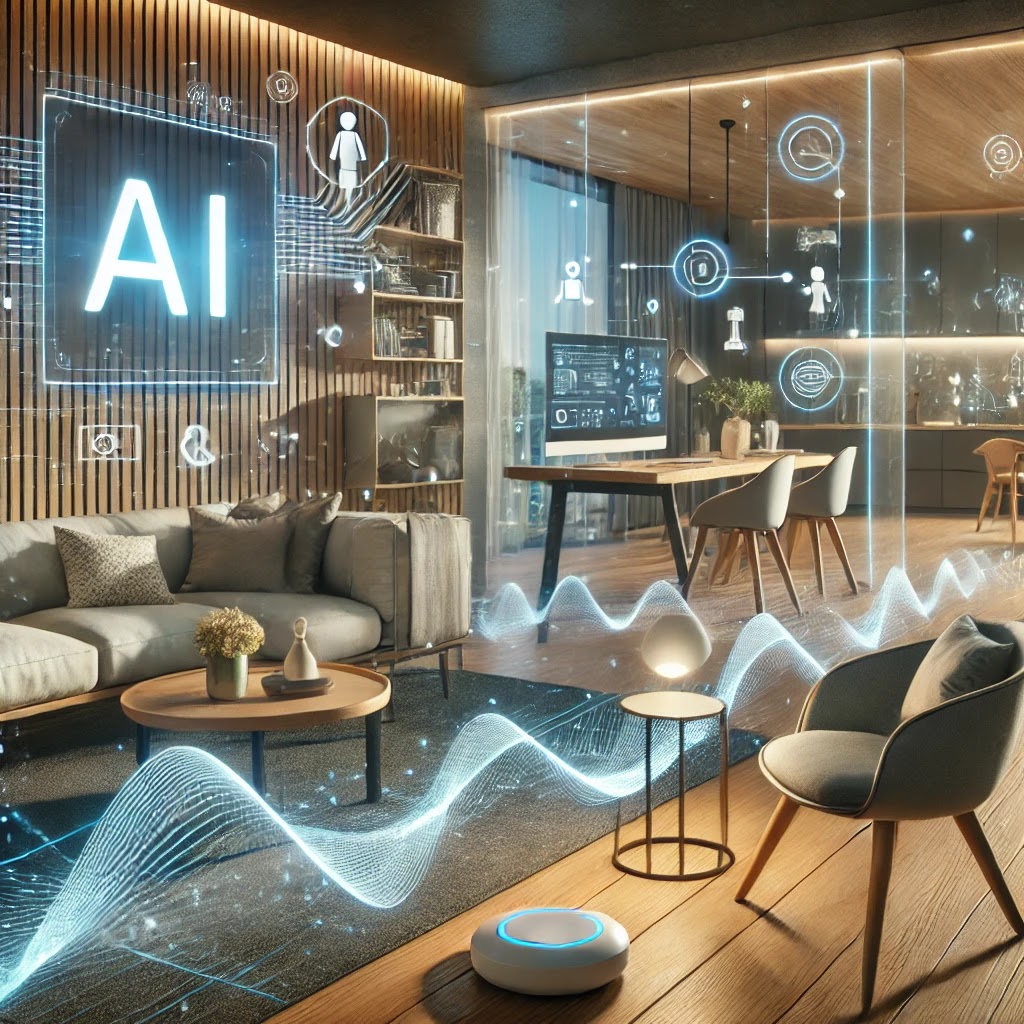
In today’s evolving world, Artificial Intelligence (AI) is increasingly becoming a part of our daily lives, not just as an external tool, but as an intimate and integral part of our living spaces. At Skyiots Solutions, we are on a mission to redefine how AI integrates into our homes—creating an environment that is more than just connected but is also adaptive, proactive, and genuinely intelligent.

From Static Spaces to Living Entities

Imagine your home as a living entity—one that understands not only your actions but also the context behind them. AI takes a regular smart home and transforms it into something that evolves based on how you live. With every interaction, the AI learns your routines, preferences, and desires. It anticipates your needs before you even realize them, making your home a partner in day-to-day life.

Gone are the days when homes were simply spaces with light switches and curtains. Picture this: you come home after a busy day, and the AI in your house has already adjusted the lighting to a cozy warmth, set the thermostat to your favorite temperature, and your favorite jazz tunes are already softly playing in the background. This seamless experience is the vision of a truly intelligent home—one where AI knows you so well that every little detail is just right.

AI-Powered Emotional Connectivity

A key aspect of AI's involvement in smart homes is its ability to understand and respond to emotions. Imagine a home that doesn’t just listen to commands, but senses your mood. You come home feeling drained, and the AI dims the lights, warms the room, and starts playing your meditation playlist—because it recognizes what you need to unwind.

Skyiots Solutions is incorporating AI that learns more than just your daily routines; it learns you. The aim is to make homes more emotionally attuned—where every action is geared toward enhancing your well-being. Smart home technology shouldn’t just be about flashy automation; it should be about the warmth of a home that cares for you.

Proactive Adaptation for Every Member of the Family

The power of AI in your home means adapting proactively to each family member’s needs. Kids coming home from school? The AI knows it’s time to switch on their favorite cartoons or set up the study room lighting for homework. Have elderly parents at home? AI can be integrated with health sensors, automatically ensuring they’re comfortable and providing alerts if anything unusual happens.

The home becomes a place that dynamically adjusts itself to everyone, young or old, providing comfort and safety for all. It’s like living in a space that is not just aware of its environment, but also of the unique individuals sharing that space.

Human-Like Interactions with AI

Voice commands are just the beginning. At Skyiots, we believe that interaction with your home should be natural, not limited to commands like “Turn on the lights.” AI integrated into smart homes should be able to have real conversations. You could say, “I’m feeling a little chilly,” and the home responds by gently adjusting the temperature without the need for a direct order.

We’re taking AI beyond voice assistance—to understand conversational cues, interpret emotions, and truly comprehend what a person needs based on both verbal and non-verbal input. It’s about creating an intelligent space that understands the human experience.

Securing Your Family with AI

AI participation in smart homes also extends into security. Imagine an AI-powered system that recognizes the difference between a family member arriving late and a potential intruder. It doesn’t just alert you; it makes intelligent decisions to protect your home. The security extends beyond the front door—AI-powered cameras can recognize packages left outside, identify strangers, and ensure every corner of your home is protected with advanced, adaptive awareness.

Sustainable Smart Living

The future is about sustainability. With AI, your smart home doesn’t just manage devices—it manages resources responsibly. AI can understand your household's energy consumption patterns and suggest optimizations, ensuring you’re both comfortable and eco-friendly. Appliances run during optimal energy hours, lights automatically turn off when rooms are unoccupied, and energy usage is minimized without compromising on the comfort of your home.

The Skyiots Promise: A Home with Heart

Skyiots Solutions is committed to blending technology with a human touch. We’re not just building smart homes; we’re building homes that feel alive. Homes that learn, adapt, and grow with your family, responding to needs as they arise, and always making life easier, more comfortable, and more secure.

With AI transforming every element of the home—security, convenience, sustainability, and comfort—we invite you to experience a living space that doesn’t just contain you but also understands and evolves with you.